Seed · Q1 2027
RM6M
about USD 1.4M
- Pays for
- Founding pilots and the start of the integrator channel, 2027 and 2028
- Must reach
- 130+ paying cells, payback proven on 10+ sites, 15 active integrators, about RM2.5M of recurring revenue
About Seventh Axis
Robot arms got cheap. Programming them didn't. Our first product, Kata, lets factory teams program the arms they already buy by describing the task in English, Bahasa Malaysia or Mandarin. We're raising a RM6 million seed round to take it to Malaysia's factories.
01 · Why we started
Malaysian factories are short of hands. Wages and levies are rising, and robot arms have never been cheaper. Yet most cells still sit on one job for years, because changing what a robot does takes a specialist, a teach pendant and days of downtime.
A robot arm moves on six axes. We think the seventh is understanding: an arm that takes instructions in the language your team already speaks, and shows you exactly what it will do before it does anything.
We don't sell robots. We build the software that makes the one you buy worth more, and we build it here, for Malaysian lines first.
IFR data. The Singapore bar is cut short to fit.
02 · The product
A language model turns the operator's words into a plan. Our own code checks it, a named person approves it, and only that signed program runs. The server and the bridge enforce the order, not just the screen.
Every plan is simulated and checked first. A person approves it. Nothing surprising happens on the floor.
BM, English and Mandarin are first-class. The software fits the team, not the other way round.
We start with a pilot on one cell and a number you can check. If it doesn't pay, you'll know in 90 days.
03 · Market
Sized from robots in use, because we charge per robot cell: about 2.84 million manufacturing workers at 74 robots per 10,000 is about 21,000 robots, each worth RM14,400 a year at our price.
Each slab's area is its yearly value. Each dot is 100 robots.
04 · Business model
per robot cell per month, billed yearly, after a free 90-day pilot. Enterprise pricing for groups and integrators.
onboarding per site, once: mapping the cell, setting up approvals and training operators.
of the subscription goes to the integrator who brings the customer, for as long as they stay.
It costs about RM8,745 to win a cell (pilots, sales and partner staff, marketing), earned back in 11.5 months. Five years of contribution is 5.2× that cost. Gross margin is 81%.
05 · Financials
A bottom-up five-year model from paying cells. Each year's column is its recurring revenue at year end; each crate is about RM0.4M.
| RM million | 2027 | 2028 | 2029 | 2030 | 2031 |
|---|---|---|---|---|---|
| Paying cells at year end | 30 | 130 | 420 | 950 | 1,800 |
| Subscription revenue | 0.20 | 1.06 | 3.64 | 9.07 | 18.22 |
| Onboarding fees | 0.09 | 0.26 | 0.63 | 1.04 | 1.54 |
| Total revenue | 0.29 | 1.32 | 4.27 | 10.12 | 19.76 |
| Cost to serve | 0.11 | 0.39 | 1.06 | 2.20 | 3.95 |
| Gross profit | 0.18 | 0.93 | 3.21 | 7.92 | 15.81 |
| Gross margin | 62% | 71% | 75% | 78% | 80% |
| People | 0.82 | 1.92 | 3.70 | 5.98 | 8.51 |
| Other operating costs | 0.50 | 0.90 | 1.60 | 2.40 | 3.20 |
| Integrator share | 0.01 | 0.11 | 0.44 | 1.18 | 2.55 |
| Pilots | 0.25 | 0.60 | 1.06 | 1.34 | 1.76 |
| Operating costs | 1.59 | 3.52 | 6.79 | 10.91 | 16.02 |
| EBITDA | −1.40 | −2.59 | −3.59 | −2.99 | −0.22 |
| Equity raised | 6.00 | – | 20.00 | – | – |
| Cash at year end | 5.00 | 2.40 | 18.82 | 15.83 | 15.61 |
RM million. Figures may not add exactly because of rounding. The model treats EBITDA as cash flow; customers pay a year ahead, so real cash would be higher. No grants are counted.
Cash
Month-end cash, January 2027 to December 2031. The tightest moments are just before each round, so the seed must close by March 2027.
| Case | What changes | 2031 revenue | 2031 EBITDA | Cash, end 2031 |
|---|---|---|---|---|
| Base case | As planned | RM19.8M | −RM0.2M | RM15.6M |
| Slower adoption | 40% fewer cells every year, spending as planned | RM11.9M | −RM4.8M | RM8.1M |
| Slower, spending cut | 40% fewer cells; headcount and other costs 20–35% lower from 2029 | RM11.9M | −RM0.9M | RM15.1M |
| Lower price | Customers pay 80% of list instead of 92% | RM17.4M | −RM2.3M | RM12.0M |
| Faster adoption | 30% more cells, spending as planned | RM25.7M | +RM3.2M | RM21.2M |
The plan survives a much slower ramp without new money, provided hiring follows sales. Volume matters more than price: 30% more cells adds about RM3.5M to 2031 EBITDA, while a 13% lower price costs about RM2M.
06 · The round
Seed · Q1 2027
RM6M
about USD 1.4M
Series A · Q1 2029
RM20M
about USD 4.8M
Use of funds
In 2027 and 2028 we spend RM5.6M and earn RM1.6M from customers. The seed covers the gap and leaves about RM2.4M going into 2029, enough to absorb a Series A that arrives a quarter late.
Total spending, 2027 and 2028: RM5.61M
07 · Risks
08 · Team
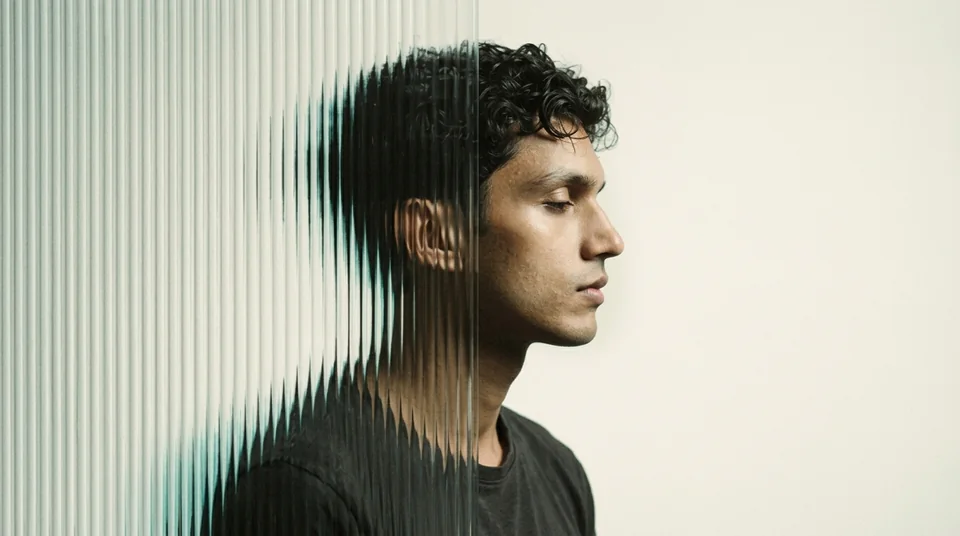 Founder
Zishaan Ahmed
Meet the founder
Founder
Zishaan Ahmed
Meet the founder
From 3 people at the start of 2027 to 16 by the end of 2028 and 52 by 2031.
Factories: put the seventh axis on your line. Investors: ask us for the full plan and model.
This page is for information only. It is not an offer to sell, or a solicitation of an offer to buy, any shares or other securities of Seventh Axis. Projections are the company's own estimates, based on assumptions that may prove wrong; actual results may differ materially. Market figures come from IFR, DOSM, MITI and other public sources listed in the full plan.